Trials on Cucumbers

Summary:
“291.7% higher yield, better growth, greater fruit numbers, heavier fruit weight, longer shelf life.”

Study By:


Kwame Nkrumah University of Science and Technology, Kumas/Ghana
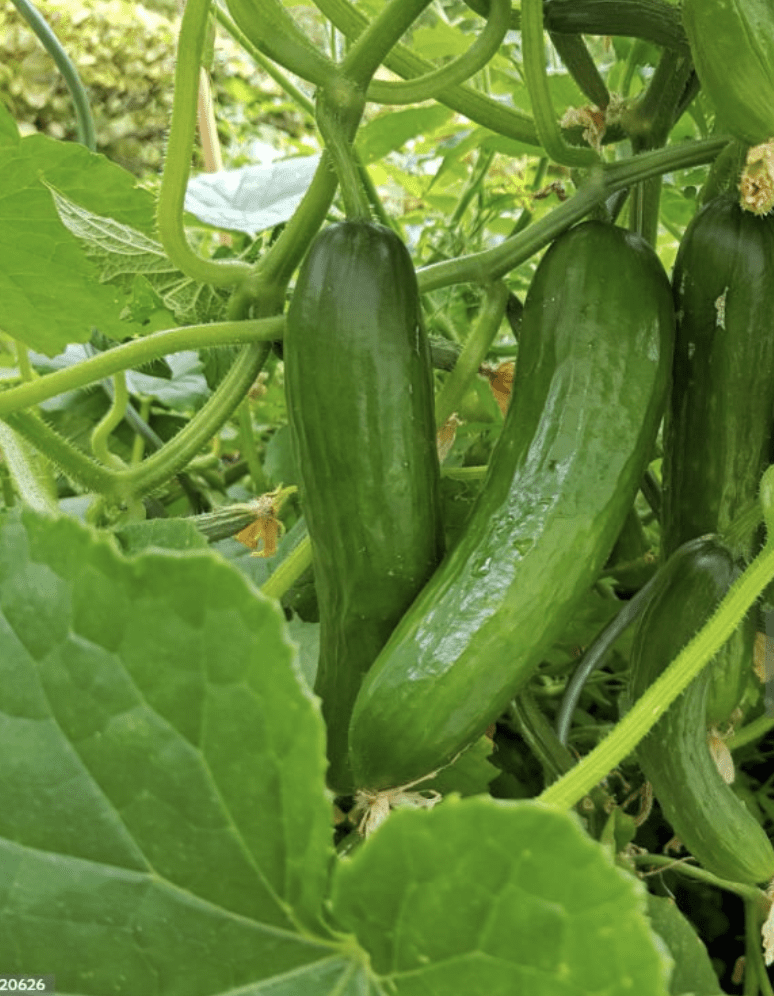
Effects of MICROFERTILE bio-stimulant on growth, yield and fruit shelf life of cucumber
Ben K. Banful
Department of Horticulture, Kwame Nkrumah University of Science and Technology, Kumasi,
Ghana
INTRODUCTION
Cucumbers are the fourth most widely `cultivated vegetable crop around the world after tomatoes, cabbages, and onions. It is grown for consumption because of its richness in nutrients.
Nutritionally, 100 grams of raw cucumber (with peel) contains 95% water, 16 calories and a supply of essential nutrients, notably vitamin K at 16% of the daily value. Cucumber may be eaten raw or can be prepared with other vegetables as salad. Increasing the use of cucumber can help reduce the risk of heart diseases as well as hydrate the body especially in the tropics. It can also be used to decrease the risk of diabetes and also for better bone health due to its high vitamin K levels.
Despite these benefits of cucumber, its’ production is still low due to nutrients constraints as well as the efficiency of use of the applied fertilizers. The use of fertilizers is indispensable in alleviating nutrient constraints and is important in soil fertility management for improved crop production. However, most fertilizers are not optimally utilized by crops.

Shopping Cart